15 years
Productive lifespan of a single planting. Our plants have a longer average useful life than excavators in traditional metal extraction (c. 5-10 years).
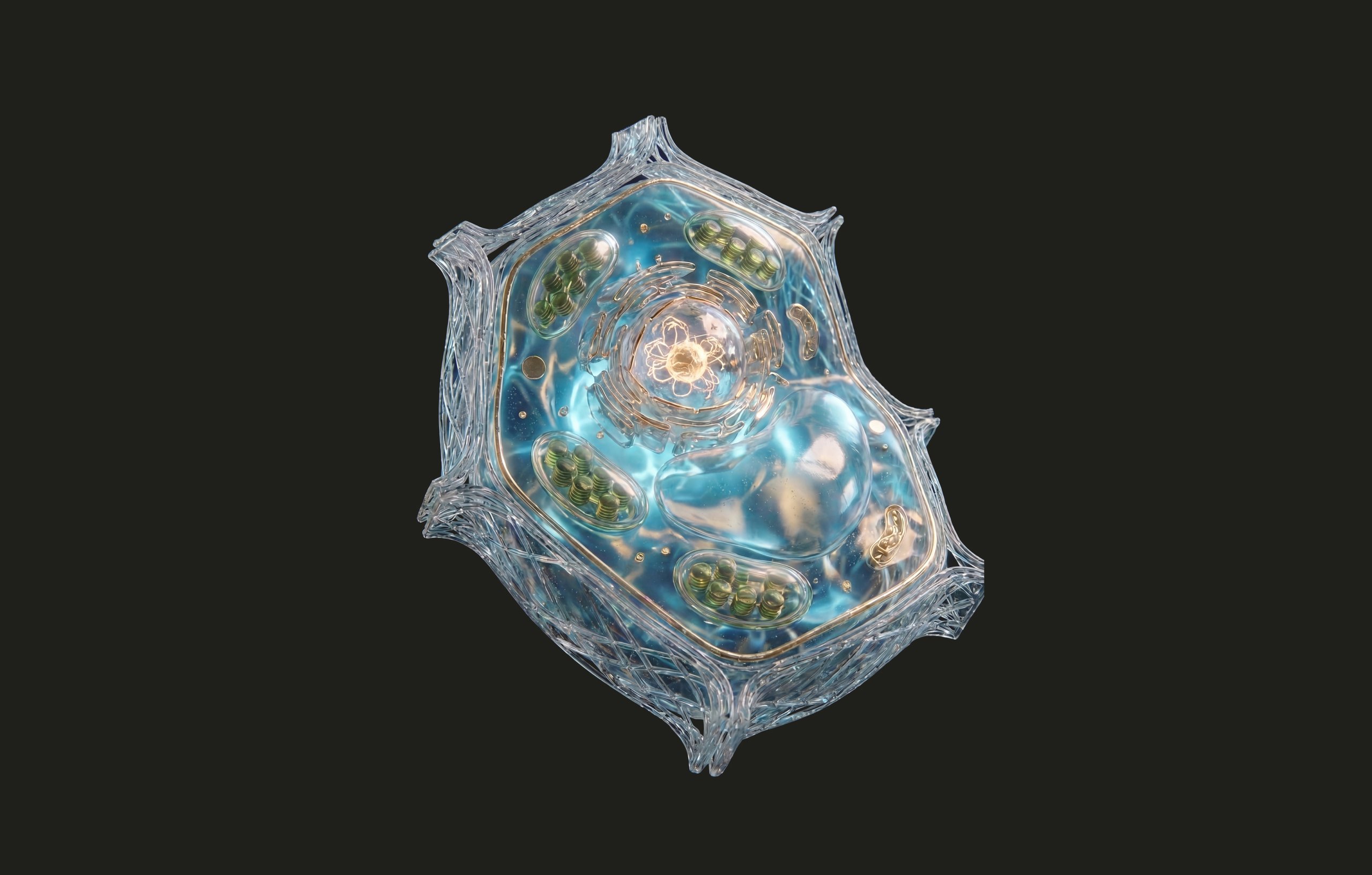
Every plant pulls minerals from the soil — that's how a tomato gets its potassium and spinach its iron. Hyperaccumulators just also absorb heavy metal ions normally toxic to plants, like sunflowers do with lead, copper, and arsenic. Our plant primarily targets nickel.
We developed our enhanced lines through non-targeted mutagenesis, an accelerated natural selection process that doesn't introduce foreign DNA. Our proprietary lines absorb significantly more nickel and are much larger than wild plants, enabling productive and cost-effective metal extraction.
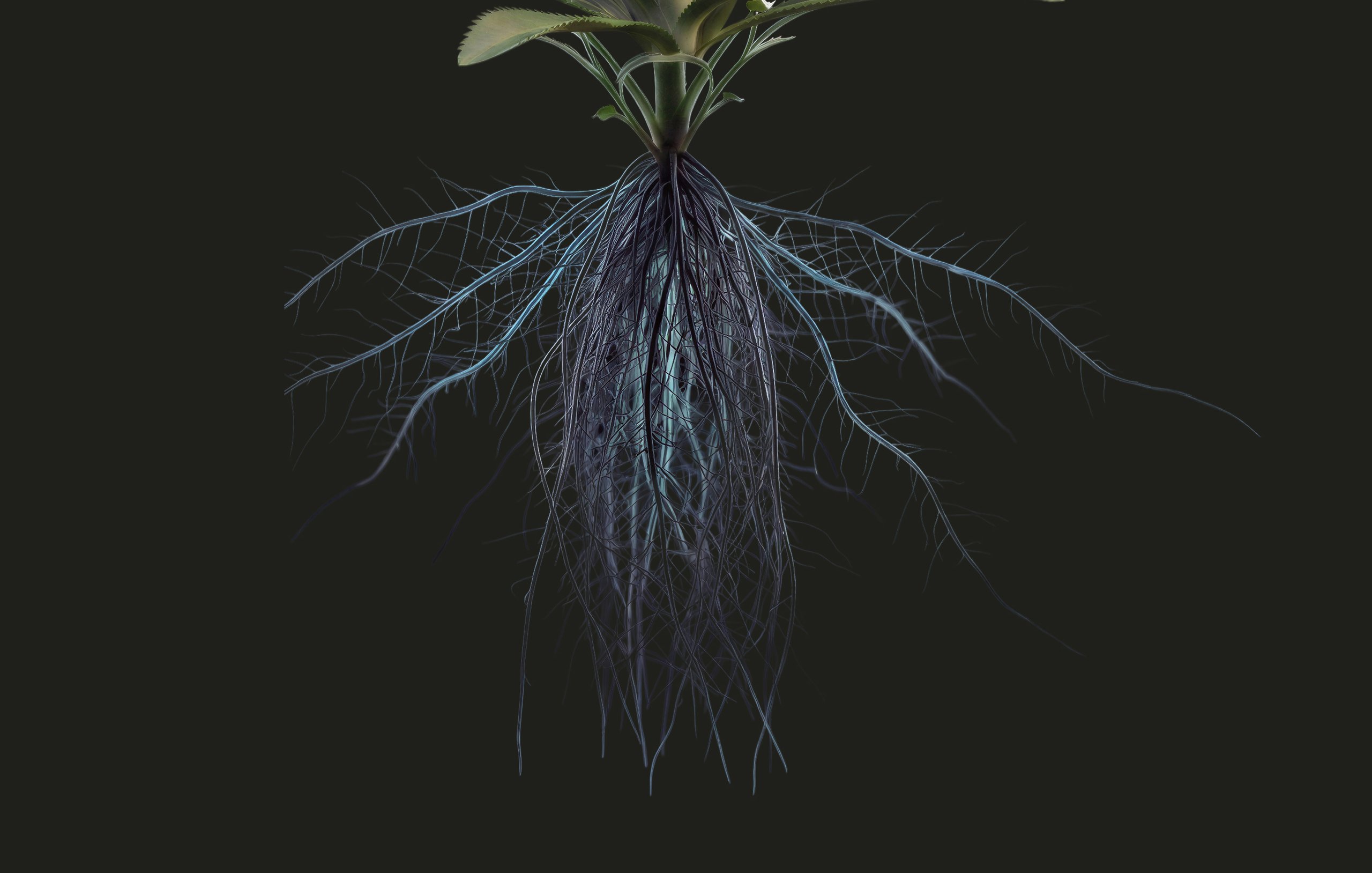
The plant doesn't work alone. A selected consortium of bacteria and fungi colonizes the root zone and helps the plant to solubilize and absorb nickel ions, defend against local pathogens, and absorb essential nutrients critical to healthy, robust growth.
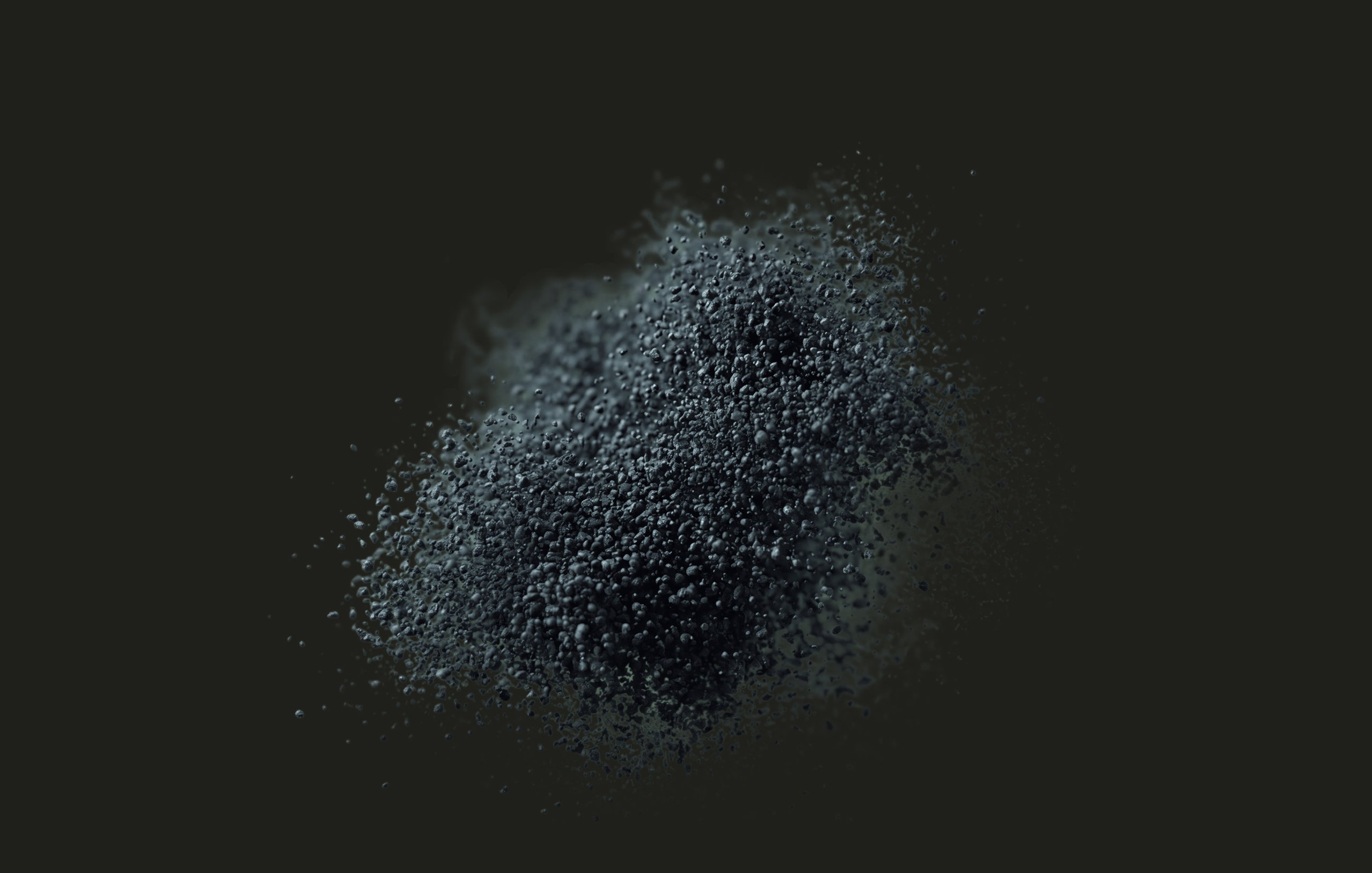
Our bioconcentrate is higher-grade than legacy metal products, and consistent chemical and “soft” physical properties make it easier to process. The product works with existing refining infrastructure and can be used for any standard nickel end-product.
15 years
Productive lifespan of a single planting. Our plants have a longer average useful life than excavators in traditional metal extraction (c. 5-10 years).
1-1.5M
Root depth for Genomines’ hyperaccumulator plants. At this depth and on the soil concentrations targeted for phytoextraction, the plant can access ~550 tons of nickel per hectare.
21
Metals Genomines’ plant naturally accumulates, including nickel, cobalt, palladium, and platinum. The foundation for a paradigm shift in metal extraction that extends well beyond one metal.
2.4x
Biomass yield uplift over wild plants. By increasing absolute volumes of biomass, we generate larger nickel yields on the same land footprint.
2.77x
Bioconcentration factor improvement vs. wild plants, measured as the ratio between nickel concentration in the plant vs. the soil. Higher concentrations of nickel directly lift margin.
2.83x
Bioconcentration factor improvement versus plants without microbial inoculation. Stacks on top of the genetic enhancement uplift.
2.08x
Biomass increase from microbiome support vs. control. More plant, more leaf, more nickel storage per hectare.
0.8-1M
Root penetration depth supported by a healthy microbiome. The total accessible soil volume scales with root surface area.
16-20% Ni
Nickel concentration in our bioconcentrate today versus an 8–12% industry benchmark for comparable products. Higher nickel concentrations reduce our client’s processing costs.
99.98%
Purity of the battery-grade NSH produced from our material. Validated by Hyundai, and other global battery and auto OEMs.
≤1%
Performance gap between Genomines-derived nickel and standard battery-grade reference, in independent IFPEN NMC 811 cell-level testing. Chemistry, morphology, and electrochemistry came back equivalent to battery-grade reference.
Does Genomines use GMO plants?
No. Genomines only deploys non-GMO plants into the field. Our classification for Non-GMO vs. GMO is defined in EU Directive 2001/18/EC.