00%

Yield without trade-offs.
Systemic Return.

  • Financial
  • Supply Security
  • Environmental
  • Social
1Return on investment

Capital light projects.
Cost competitive production.

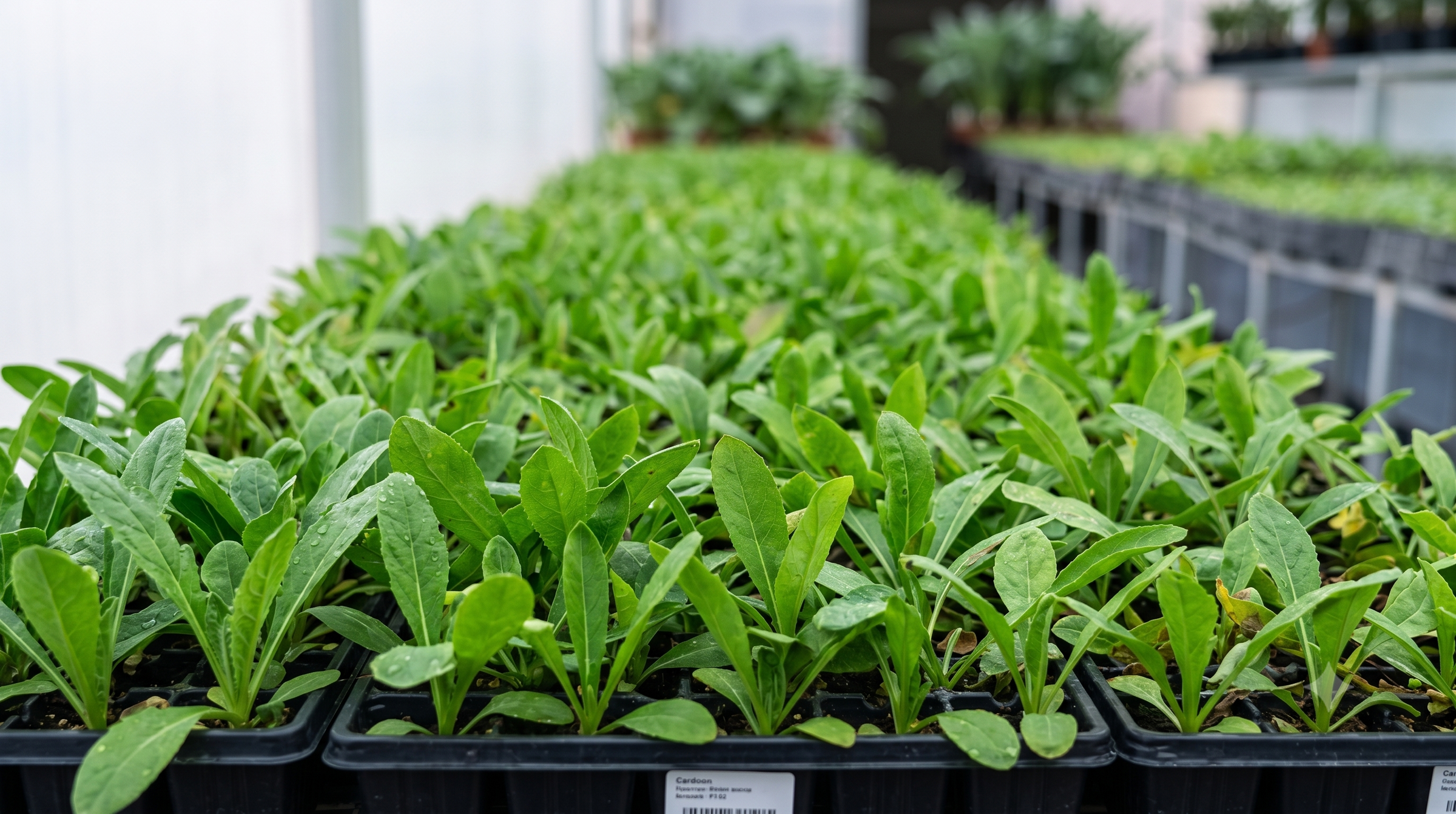
We replace decade-plus development timelines with metal farms that begin production within one to two years, turning stranded soils into high-performance assets.

Time to production (years): Genomines vs. traditional extraction
Development timeline
01
1-2 yrs

To operationalize a metal farm vs. 12-17 years for traditional industry. Conventional nickel assets require decade-plus exploration, permitting, and construction cycles before they can produce a single ton. Our fields reduce development timelines by 90%.

Cost of Production
03
-40%

Total cash cost per ton of nickel produced versus the industry average. Average operating costs for traditional industry are rising, expected to increase from $16k per ton to $19k per ton by 2030, driven by degrading ore bodies and rising energy prices. Genomines’ plants enable consistent, low-cost operations.

Capital intensity
02
-50%

Capital investment required per ton of nickel equivalent produced vs. traditional industry. A standard greenfield nickel mine typically invests €30-60k of CAPEX per ton of nickel. By cutting lengthy exploration timelines and replacing large industrial equipment with plants, we significantly reduce the capital burden needed for each project.

Resource Base
04
0.2-1.2% Ni

Target soil nickel concentrations for Genomines’ metal farms. The technology unlocks new, profitable investment opportunities on land that is currently too toxic for traditional agriculture and below the cut-off grade - 1.2% to 1.5% - for traditional industry.

2Return on Security

A new supply of critical metals, free from single points of failure.

Genomines unlocks a new nickel supply on land that has never been part of the global supply equation, creating a parallel supply chain that operates outside geopolitical corridors of control.

For OEMs, battery manufacturers, and defence suppliers, it is a sovereign alternative to a supply chain concentrated in the hands of only a few actors.

  • Concentration Risk>70%

    of global nickel production will be concentrated between Indonesia and Russia by 2030. Every Western OEM, battery manufacturer, and defence supplier is exposed to a supply chain controlled by sovereign interests.

  • Demand Growth2x

    Global nickel demand by 2040, driven by EV battery electrification. A supply chain already under pressure has no margin for further concentration.

  • Funding Gap$66 Billion

    Of new capital required by 2030 to meet projected nickel demand. A multi-billion dollar gap exists between what the market needs and what the current supply chain can deliver.

  • Addressable Supply30-40M Ha

    Of land globally within Genomines' target soil concentrations. The potential of this new resource base would exceed current global nickel output and is accessible only through our technology.

3Return on Environment

The most profitable path is the most responsible path.

Our production process rehabilitates soil, sequesters carbon, and generates clean energy. These are not offsets or add-ons, but are the structural consequences of phytoextraction.

  • GHG emissions
    01
    -3 to 8t CO2 eq.

    The traditional metals industry accounts for 11% of global GHG emissions, equivalent to ~6 gigatons of CO2eq. released every year. Genomines produces at a fraction of the footprint, pulling carbon down as we pull metal up.

  • Energy Positive
    02
    65 GWh

    Yearly electricity generated per 2,000 hectare cluster. Our thermal process captures and recycles excess heat from production, enabling each commercial farm to generate enough electricity to route excess power back to the local grid.

  • Zero Waste Rock
    03
    0 m³

    Of soil excavated per ton of nickel produced. Traditional extraction moves mountains to find metal, producing 40-120 tons of waste per ton of metal recovered. By contrast, our operations produce no waste rock.